
What do disruptions in major trade routes mean for food security?
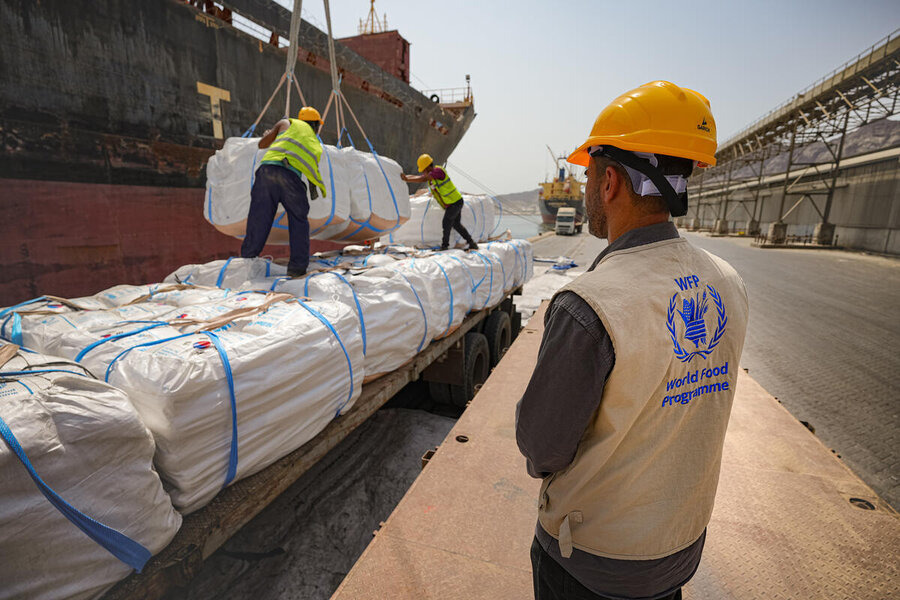
The flow of food, fuel, fertilizer and food between countries is essential to global food security, from farmers growing their crops to trucks being able to deliver produce to markets.
Conversely, when major shipping routes are disrupted, causing delays and sharp price rises, the effects reverberate across continents and threaten the most vulnerable communities.
Today, conflict is disrupting three important trade routes at the same time. Here we take a closer look at what is happening and why it matters.
Why do the Strait of Hormuz, the Red Sea and the Black Sea matter for food security?
These trade routes play a vital role in moving the commodities that global food systems depend on:
- The Strait of Hormuz is one of the world's most important routes for oil and fertilizer.
- The Bab-el-Mandeb Strait connects trade moving between Asia and Europe through the Red Sea and the Suez Canal.
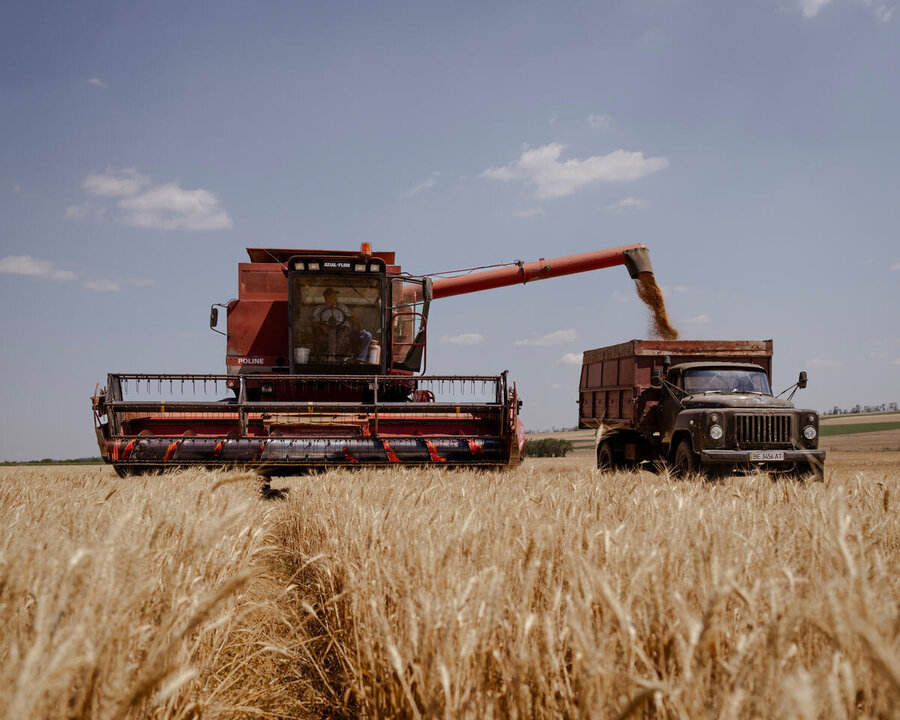
- The Black Sea is one of the world's most important grain-export corridors. Russia and Ukraine account for around one-third of global wheat trade, much of it normally moving through Black Sea ports.
Disruptions in any one of these routes can affect global markets. When all three face pressure at the same time, it increases the risk of a triple chokepoint that could push tens of millions more people into hunger.
How do higher oil prices affect food security?
Food systems rely on energy at almost every stage. Fuel powers irrigation systems, fertilizer production, harvesting, food processing and transport. When energy costs rise, the cost of producing and moving food often rises too. As a result, food prices can increase for consumers thousands of kilometres from the conflict itself.
In Sudan, for example, the cost of a basic diet has risen by almost 40 percent since February 2026, driven in part by higher fuel costs. A disruption affecting oil shipments in one region can affect food prices somewhere else entirely. The disruptions also affect humanitarian operations. WFP's operations have been exposed to 20 percent higher shipping costs and 35 percent higher prices for airplane fuel – reducing the resources available to deliver life-saving assistance for people in need and placing additional pressure on resources at a time when needs are rising.
Why is fertilizer so important for food production?
Less fertilizer reaching farmers means smaller harvests. When fertilizer supplies are disrupted, delayed or become more expensive, farmers are forced to reduce how much they use. The suffocation of fertilizer exports has hit this planting season hard, especially across Africa and Asia. The effects are not always immediate – they often appear months later when harvests are smaller than expected and food supplies become tighter.
How can these disruptions affect food security in the future?
Delays to fuel and fertilizer supplies can reduce future harvests, while prolonged disruption to major trade routes can increase costs throughout global food systems. Some of the most significant consequences could emerge months from now, during future planting and harvest seasons.
Even when security conditions improve, maritime supply chains do not recover immediately. Based on previous disruptions, shipping networks can take four to five months to stabilize as congestion is cleared, equipment is repositioned and normal trading patterns resume. This means the effects on food systems can continue well beyond the initial disruption.
Keeping ports, shipping routes and food supply chains open and predictable is therefore essential to global food security.
Which countries are most vulnerable to these disruptions?
Countries that rely heavily on imports tend to face the greatest risks. Those in Africa and the Middle East, where conflict, displacement and climate shocks are already putting intense pressure on families, are particularly exposed. Yemen, Sudan and parts of the Horn of Africa are among the places already being affected by disruptions to humanitarian supply chains. In many of these contexts, food assistance is a lifeline for millions of people, meaning even relatively small delays can have serious consequences for vulnerable communities.
As a snapshot, a World Food Programme report has highlighted how over 6 million people in 3 countries are struggling to meet basic food needs and, in some cases, being pushed into acute hunger due to disruptions caused by the Middle East conflict.
How are current trade disruptions affecting the World Food Programme’s operations?
WFP is already seeing impacts across parts of its maritime supply chain. Congestion, reduced shipping capacity and disruptions at key transshipment hubs are making delivery schedules less predictable, while increasing costs. On some trade routes affected by Red Sea disruptions and rerouting, delivery times have at times increased by 30 to 50 days, while shipping costs have risen significantly depending on route and market conditions.
The disruptions could also affect food procurement. Wheat and wheat flour account for a substantial share of WFP cereal purchases, meaning prolonged disruption to Black Sea exports could create additional procurement challenges and place further pressure on humanitarian operations.
Despite growing disruptions, WFP has continued to keep cargo moving by drawing on long-standing partnerships with shipping companies, freight forwarders and port operators that recognize the life-saving nature of humanitarian deliveries. WFP also sources food as close as possible to where it is needed and develops alternative supply routes to reduce delays and maintain assistance when traditional corridors come under pressure.
Ultimately, the flow of food, fuel and fertilizer helps keep global food systems functioning, supports future food production and enables WFP to reach people facing hunger when they need assistance most. Reducing disruptions today will help lower the risk of food insecurity tomorrow.